
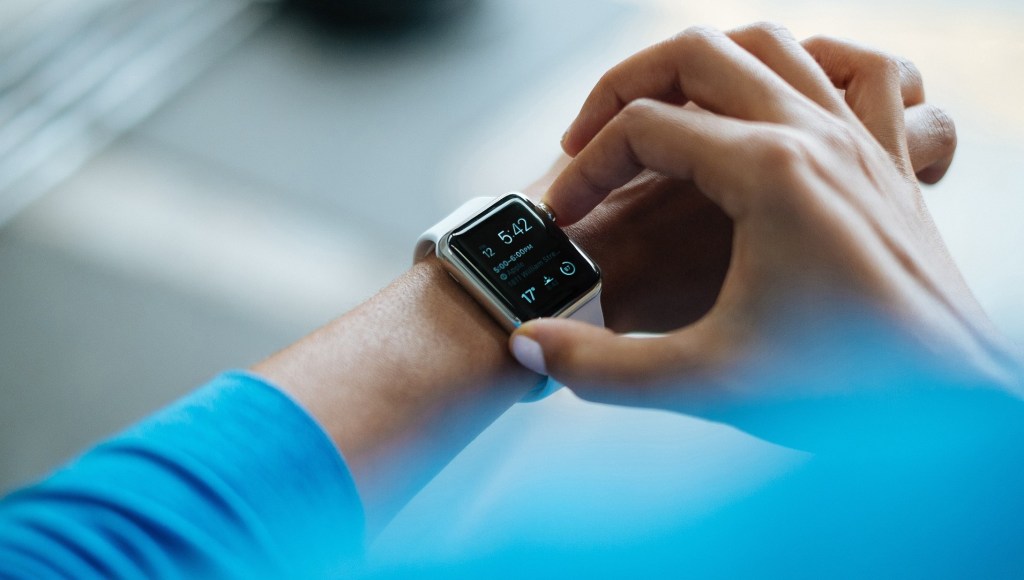
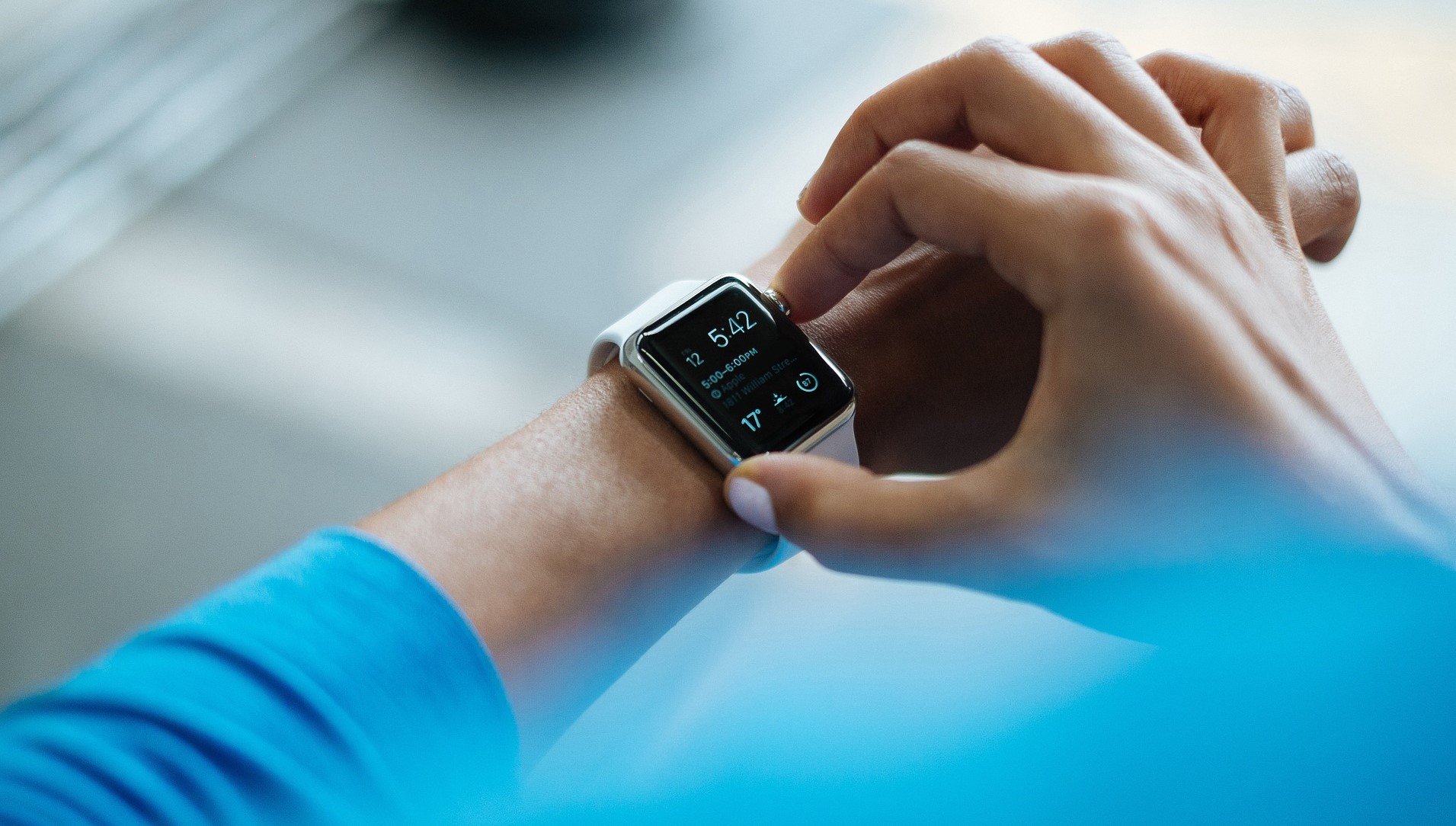
As companies increasingly turn to wearables to aid employees with their work, smart devices’ ability to collect personal data as well as work data is giving rise to serious privacy concerns, warns a new report from Smartway2 — a SaaS-based platform that enables businesses to help their people, places and technology work better together.
Smartway2 is urging organizations to set clear guidelines about the collection and processing of personal data when they give out wearables in the workplace.
According to ABI Research, about a third of companies currently give their employees some form of wearable Internet of Things devices, such as smart watches and smart glasses – and the total number of wearables in use in the workplace is expected to reach 500 million by 2021.
With data analytics becoming more prevalent within the Internet of Things, the data collected by wearable devices can help companies to improve productivity and gain valuable insights that allow informative decisions to be made. But there is growing concern about the collateral collection of personal data.
“Sensors on these devices can track where people go, their activities, hours worked and how much time they spend at their desks or in meetings,” said Smartway2’s CEO John T. Anderson. “What’s more, they can monitor heart rate, sleep patterns, how much water users drink and other aspects of wellness.”
The Smartway2 report suggests wearables are likely to become even more popular as organisations focus more heavily on aspects of employee experience such as health and wellness. “Yet if we’re tracking how many hours people are working and their movements around the office and beyond,” said Smartway2’s Anderson, “you can see where debates around ethics and privacy arise.”
He added: “It’s essential that employers give their people clear guidelines about the collection and processing of personal data, so each individual understands exactly how it’s being used and can choose to opt out.”
SmartWay2’s technology provides capabilities that are vital to organisations striving to create a more agile workplace. The platform provides a powerful rules-based engine that combines with leading room and desk signage to improve employees’ interaction with their company facilities. The solution also delivers extensive workplace analytics that drive better space utilisation.
# # # #




 Workplace journal
Leave a comment